Understanding AI Music Generation
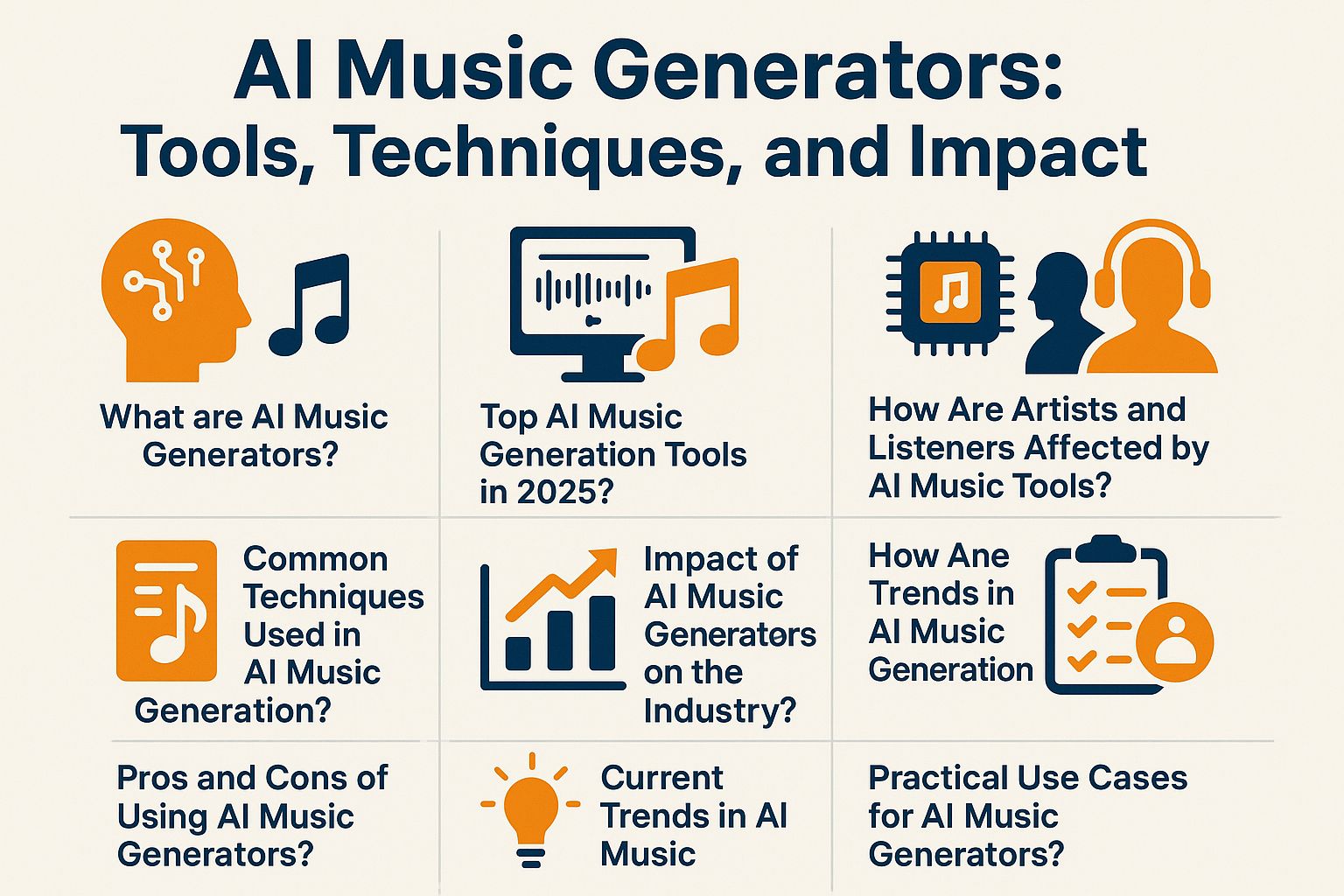
AI music generation refers to the use of artificial intelligence technologies to create music compositions. These tools analyze vast datasets of musical styles and patterns to produce original pieces, allowing users to generate music without traditional musical training.
For instance, platforms like OpenAI's MuseNet and Google's Magenta utilize neural networks to compose music across various genres, enabling creators to experiment with unique sounds and styles. This technology not only democratizes music production but also opens new avenues for artistic expression.
Benefits of Using AI Music Generators
AI music generators offer a range of benefits for both amateur and professional musicians. They can save time and reduce the complexity of music creation, allowing artists to focus more on their creative vision rather than technical details.
Additionally, these tools can provide inspiration by generating melodies and harmonies that users might not have considered. For example, many content creators use AI-generated music for videos, ensuring that their projects have a unique audio backdrop without the need for extensive music production skills.
Comparing Popular AI Music Generators
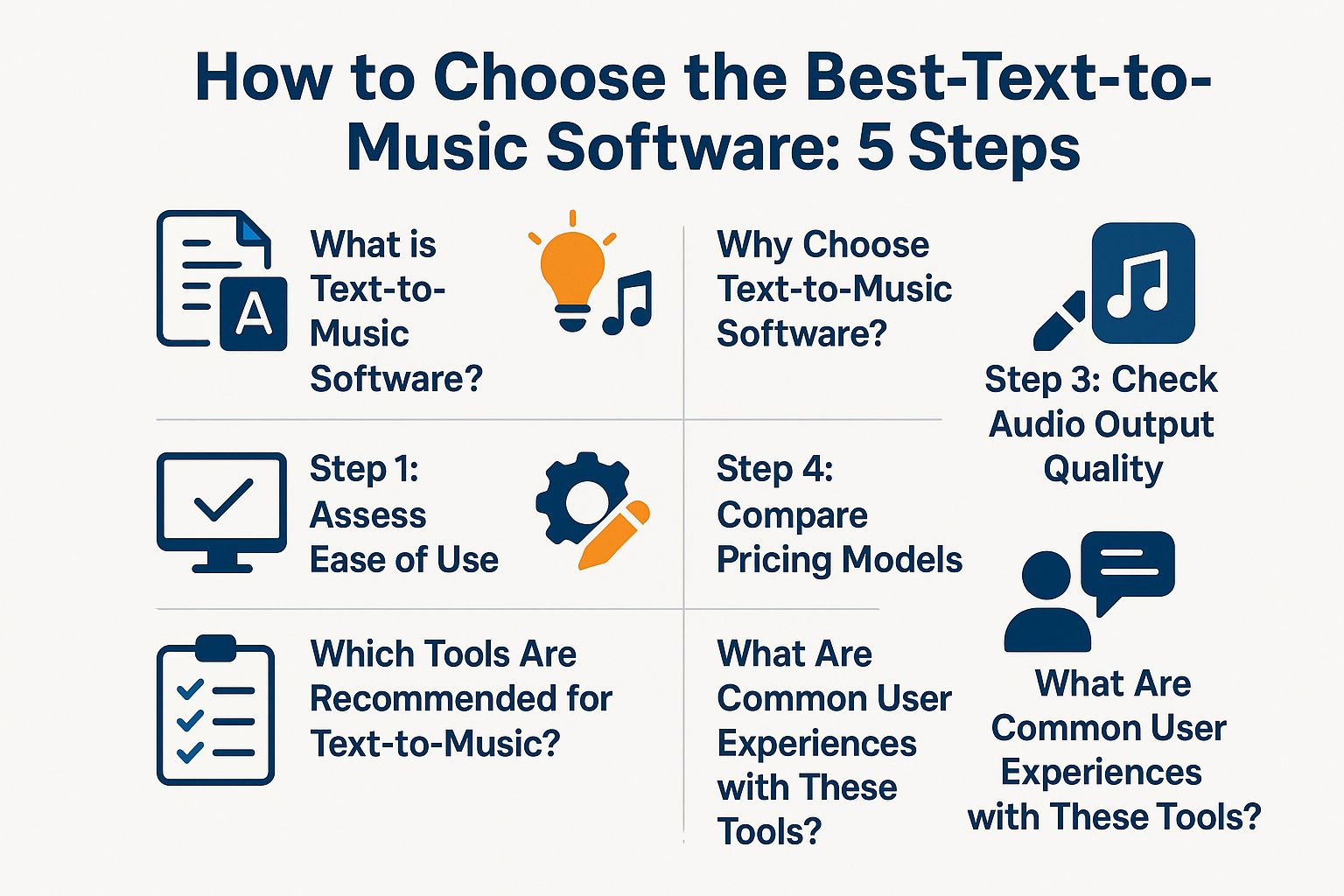
With numerous AI music generators available, it's crucial to compare their features, usability, and output quality. Each tool varies in complexity, user interface, and the type of music it can create.
For example, platforms like Amper Music are user-friendly and designed for quick music creation, while tools like AIVA cater to more advanced users seeking intricate compositions. Understanding these differences can help users select the best tool for their specific needs.
The Future of AI in Music Production
The future of AI in music production is promising, with advancements in machine learning and deep learning technologies. As these tools evolve, they are likely to become more integrated into the music creation process, offering even more sophisticated capabilities.
Experts predict that AI will not only assist in composing music but also in mastering tracks and creating personalized soundscapes tailored to individual preferences. This evolution could lead to a new era of collaboration between human creativity and artificial intelligence in the music industry.