Understanding AI Music Generation
AI music generation refers to the use of artificial intelligence algorithms to create music compositions autonomously or with minimal human input. These tools leverage machine learning techniques to analyze existing music data, enabling them to generate new melodies, harmonies, and rhythms that can be tailored to various genres and styles.
For instance, AI music generators can produce everything from classical symphonies to modern pop tracks. They can also assist musicians by providing inspiration or serving as a collaborative partner in the songwriting process. As AI technology continues to evolve, the capabilities of these tools are expected to expand, offering even more creative possibilities for artists.
Comparing Popular AI Music Generators
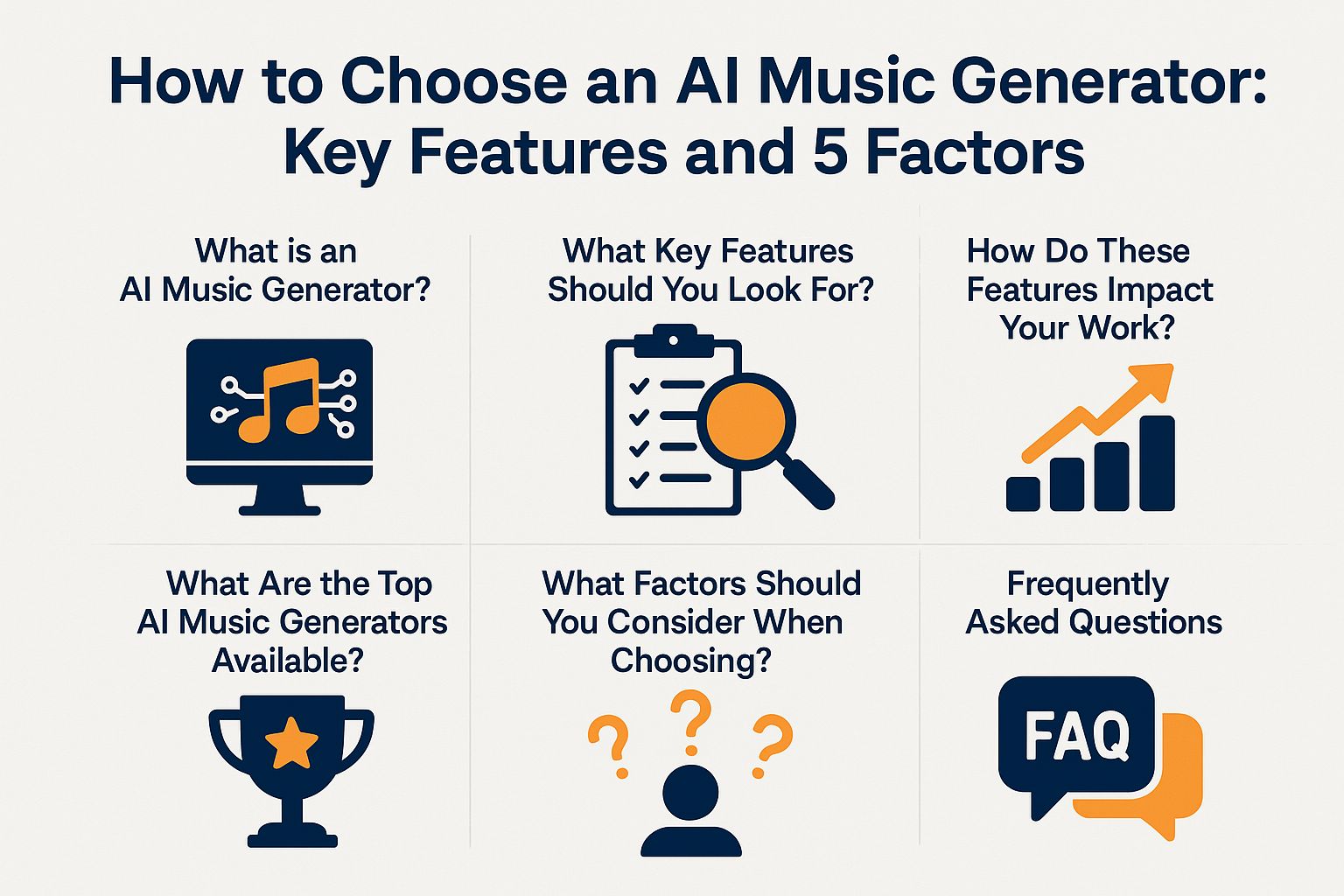
When exploring AI music generators, it’s essential to compare the features, usability, and output quality of different tools. Each software has unique strengths and weaknesses that cater to various user needs, from professional musicians to hobbyists. Understanding these differences can help users make informed decisions about which tool best suits their creative process.
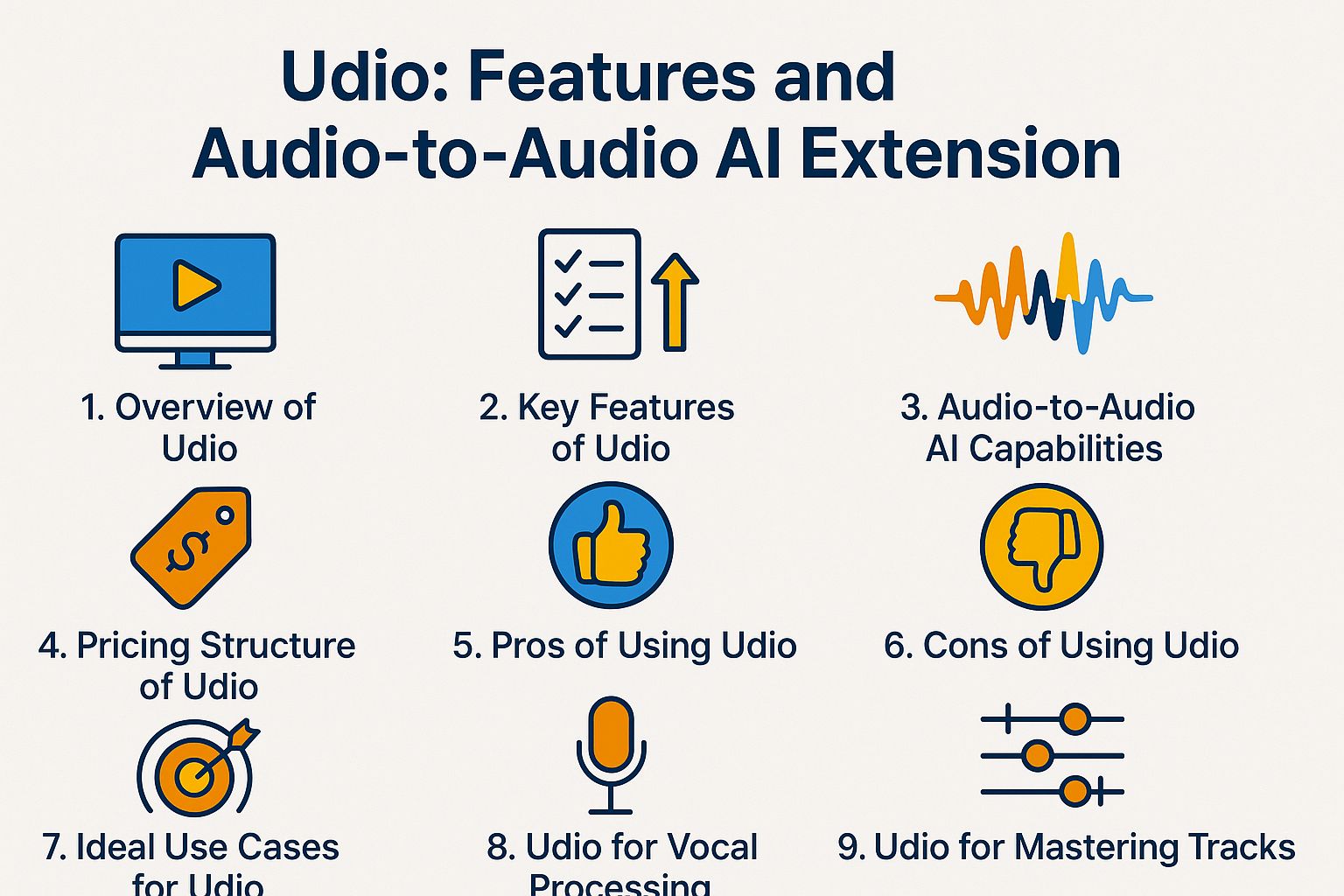
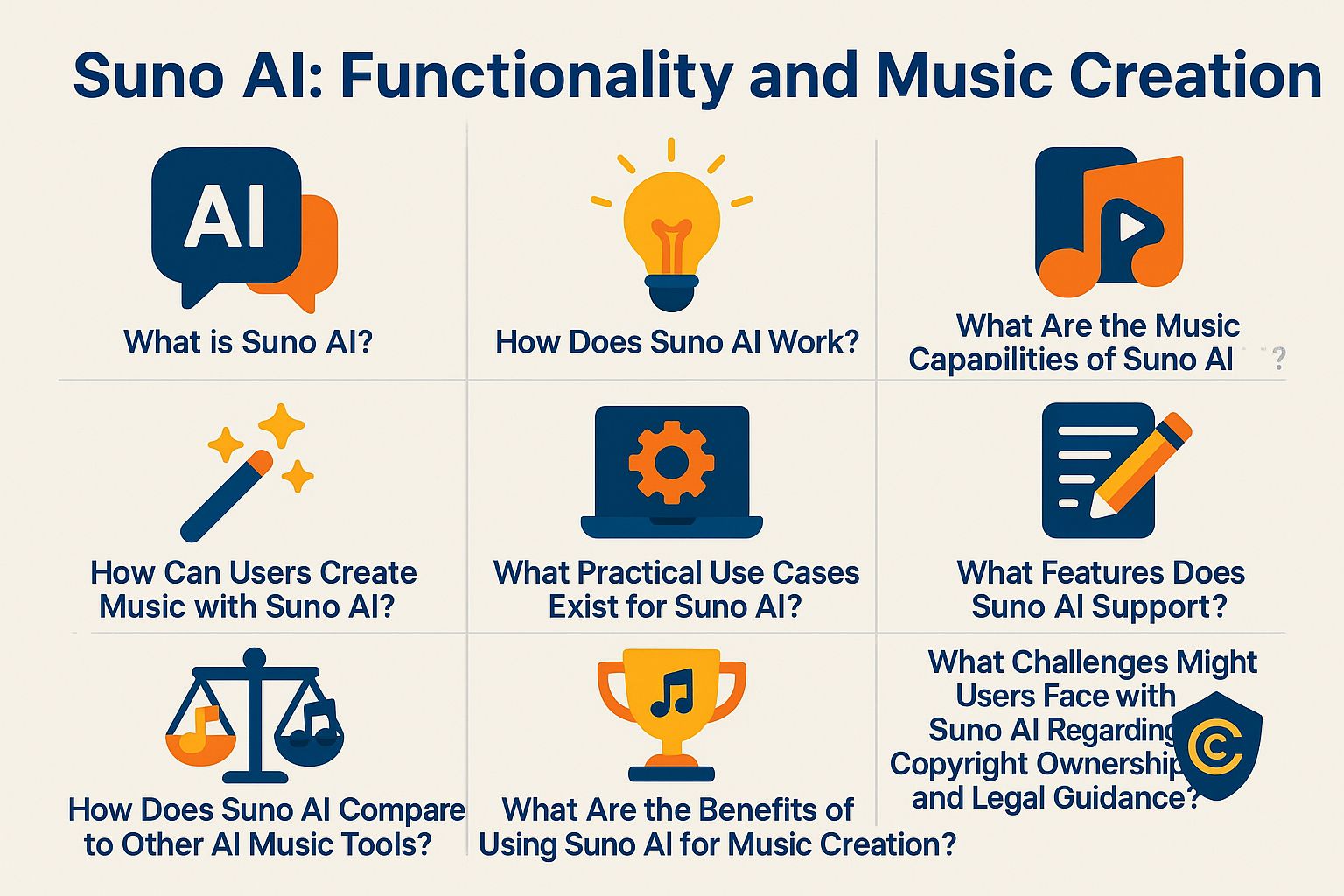
For example, while Udio excels in audio-to-audio capabilities, Suno AI may offer superior text-to-music functionality. A thorough comparison can highlight these distinctions, allowing users to choose based on their specific requirements, such as ease of use, output quality, and available features.
Future Trends in AI Music Generation
The future of AI music generation is poised for significant advancements, driven by ongoing research and technological innovations. As AI continues to integrate with music production, we can expect to see more sophisticated algorithms that can create complex compositions with emotional depth and musicality.
Moreover, the rise of collaborative AI tools will likely enhance the creative process for musicians, allowing for real-time interaction and feedback. This evolution could lead to a new era in music production where AI and human creativity work hand-in-hand, unlocking unprecedented possibilities in musical expression.
Ethical Considerations in AI Music Creation
As AI music generators become more prevalent, ethical considerations surrounding their use are gaining importance. Issues such as copyright, ownership of generated content, and the potential displacement of human musicians are critical topics that need to be addressed within the industry.
For instance, questions arise about who owns the rights to a song created entirely by AI. Furthermore, the impact of AI on the job market for musicians and producers prompts discussions about how to balance technological advancement with the preservation of human artistry. Engaging with these ethical considerations is essential for fostering a responsible and sustainable future for AI in music.
Understanding AI Music Generation
AI music generation refers to the use of artificial intelligence algorithms to create music compositions autonomously or with minimal human input. These tools leverage machine learning techniques to analyze existing music data, enabling them to generate new melodies, harmonies, and rhythms that can be tailored to various genres and styles.
For instance, AI music generators can produce everything from classical symphonies to modern pop tracks. They can also assist musicians by providing inspiration or serving as a collaborative partner in the songwriting process. As AI technology continues to evolve, the capabilities of these tools are expected to expand, offering even more creative possibilities for artists.
Comparing Popular AI Music Generators
When exploring AI music generators, it’s essential to compare the features, usability, and output quality of different tools. Each software has unique strengths and weaknesses that cater to various user needs, from professional musicians to hobbyists. Understanding these differences can help users make informed decisions about which tool best suits their creative process.
For example, while Udio excels in audio-to-audio capabilities, Suno AI may offer superior text-to-music functionality. A thorough comparison can highlight these distinctions, allowing users to choose based on their specific requirements, such as ease of use, output quality, and available features.
Future Trends in AI Music Generation
The future of AI music generation is poised for significant advancements, driven by ongoing research and technological innovations. As AI continues to integrate with music production, we can expect to see more sophisticated algorithms that can create complex compositions with emotional depth and musicality.
Moreover, the rise of collaborative AI tools will likely enhance the creative process for musicians, allowing for real-time interaction and feedback. This evolution could lead to a new era in music production where AI and human creativity work hand-in-hand, unlocking unprecedented possibilities in musical expression.
Ethical Considerations in AI Music Creation
As AI music generators become more prevalent, ethical considerations surrounding their use are gaining importance. Issues such as copyright, ownership of generated content, and the potential displacement of human musicians are critical topics that need to be addressed within the industry.
For instance, questions arise about who owns the rights to a song created entirely by AI. Furthermore, the impact of AI on the job market for musicians and producers prompts discussions about how to balance technological advancement with the preservation of human artistry. Engaging with these ethical considerations is essential for fostering a responsible and sustainable future for AI in music.