As technology and creativity evolve, questions about AI-generated music ownership and copyright arise. Industry giants like Paul McCartney and Elton John explore AI soundscapes, while organizations like GEMA adapt to these changes. Understanding the nuances of music licensing and creative control and the legal challenges faced by artists and developers is crucial. This article clarifies…
Copyright issues surrounding AI-generated music are complex and still evolving. As artificial intelligence creates compositions, the question arises: who holds the copyright? This section delves into the nuances of copyright law as it applies to music created by AI, highlighting key legal precedents and ongoing debates.
For instance, recent cases have tested the boundaries of copyright ownership, with courts examining whether AI can be considered an author under existing laws. These discussions are crucial for artists and developers alike, as they navigate the legal landscape of music production in the age of AI.
Licensing is a critical aspect of the music industry, and it becomes even more complicated when AI is involved. This section explores the different types of licenses that may be required for AI-generated music, including synchronization licenses for film and television, and mechanical licenses for distribution.
Furthermore, understanding the licensing landscape can help creators avoid potential legal pitfalls. By examining case studies of AI music applications, readers can gain insights into best practices for securing the necessary rights and permissions for their works.
Examining real-world case studies provides valuable insights into the legal challenges faced by AI music producers. This section reviews notable instances where AI-generated music has led to litigation or regulatory scrutiny, highlighting the outcomes and implications for the industry.
For example, a high-profile lawsuit may involve disputes over copyright infringement or the unauthorized use of existing works in AI training datasets. These cases illustrate the importance of understanding legal frameworks and the potential risks involved in AI music creation.
As technology advances, the intersection of AI and music law will continue to evolve. This section speculates on future trends and potential legal reforms that may arise in response to the growing prevalence of AI in music production.
Experts predict that new legislation may emerge to address the unique challenges posed by AI, such as defining authorship and ownership rights. Keeping abreast of these developments is essential for artists, developers, and legal professionals navigating the changing landscape of music law.
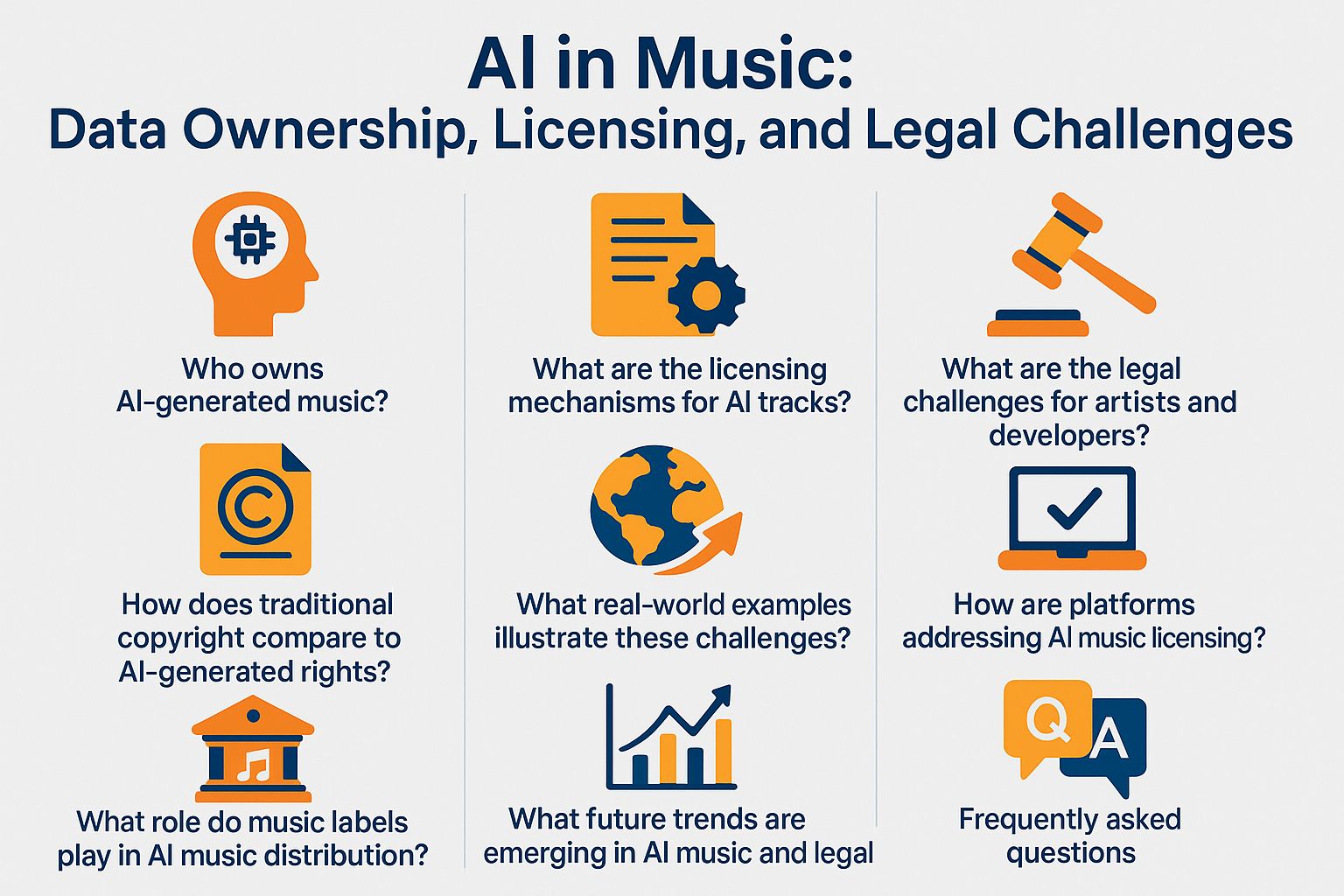
Copyright issues surrounding AI-generated music are complex and still evolving. As artificial intelligence creates compositions, the question arises: who holds the copyright? This section delves into the nuances of copyright law as it applies to music created by AI, highlighting key legal precedents and ongoing debates.
For instance, recent cases have tested the boundaries of copyright ownership, with courts examining whether AI can be considered an author under existing laws. These discussions are crucial for artists and developers alike, as they navigate the legal landscape of music production in the age of AI.
Licensing is a critical aspect of the music industry, and it becomes even more complicated when AI is involved. This section explores the different types of licenses that may be required for AI-generated music, including synchronization licenses for film and television, and mechanical licenses for distribution.
Furthermore, understanding the licensing landscape can help creators avoid potential legal pitfalls. By examining case studies of AI music applications, readers can gain insights into best practices for securing the necessary rights and permissions for their works.
Examining real-world case studies provides valuable insights into the legal challenges faced by AI music producers. This section reviews notable instances where AI-generated music has led to litigation or regulatory scrutiny, highlighting the outcomes and implications for the industry.
For example, a high-profile lawsuit may involve disputes over copyright infringement or the unauthorized use of existing works in AI training datasets. These cases illustrate the importance of understanding legal frameworks and the potential risks involved in AI music creation.
As technology advances, the intersection of AI and music law will continue to evolve. This section speculates on future trends and potential legal reforms that may arise in response to the growing prevalence of AI in music production.
Experts predict that new legislation may emerge to address the unique challenges posed by AI, such as defining authorship and ownership rights. Keeping abreast of these developments is essential for artists, developers, and legal professionals navigating the changing landscape of music law.
