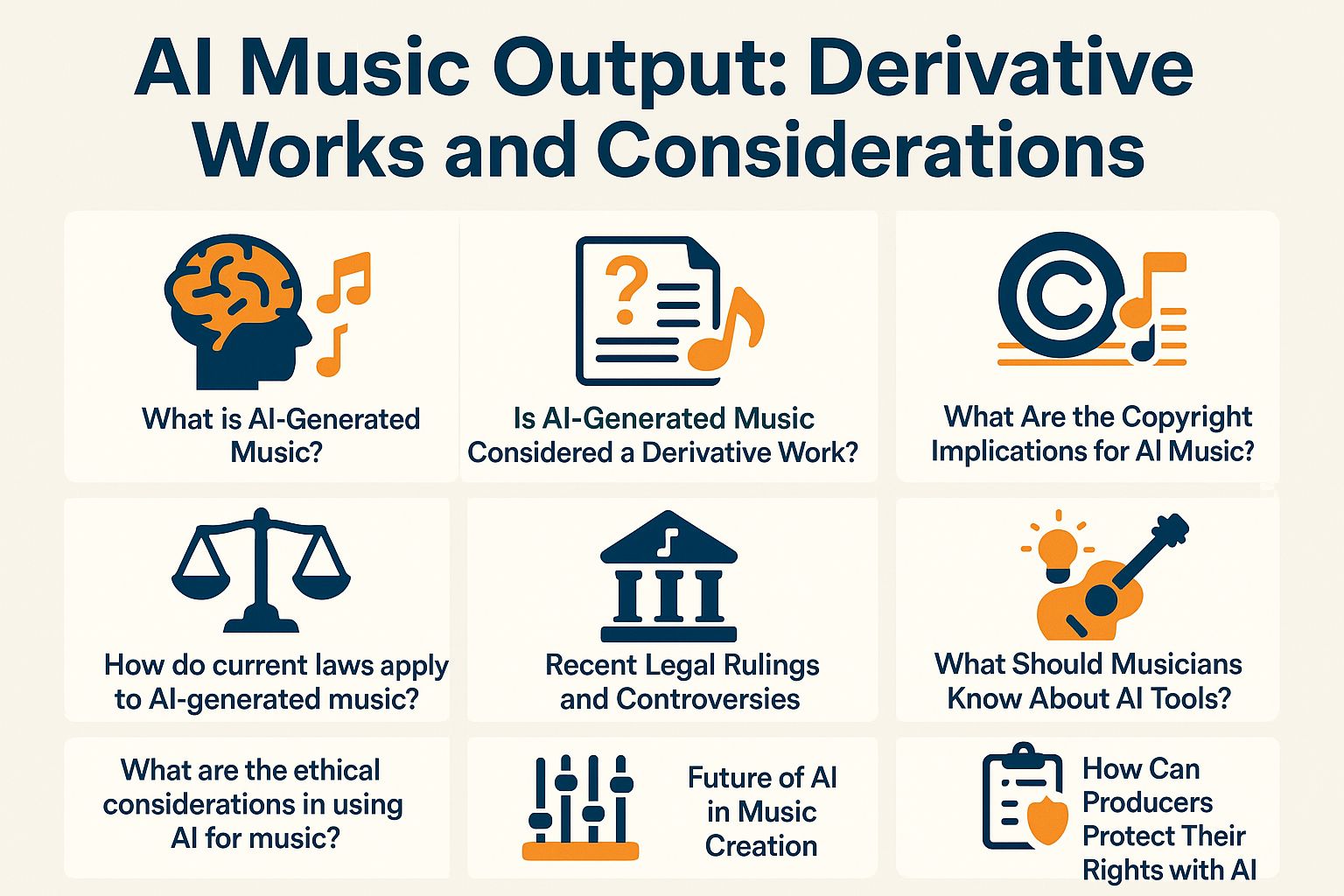
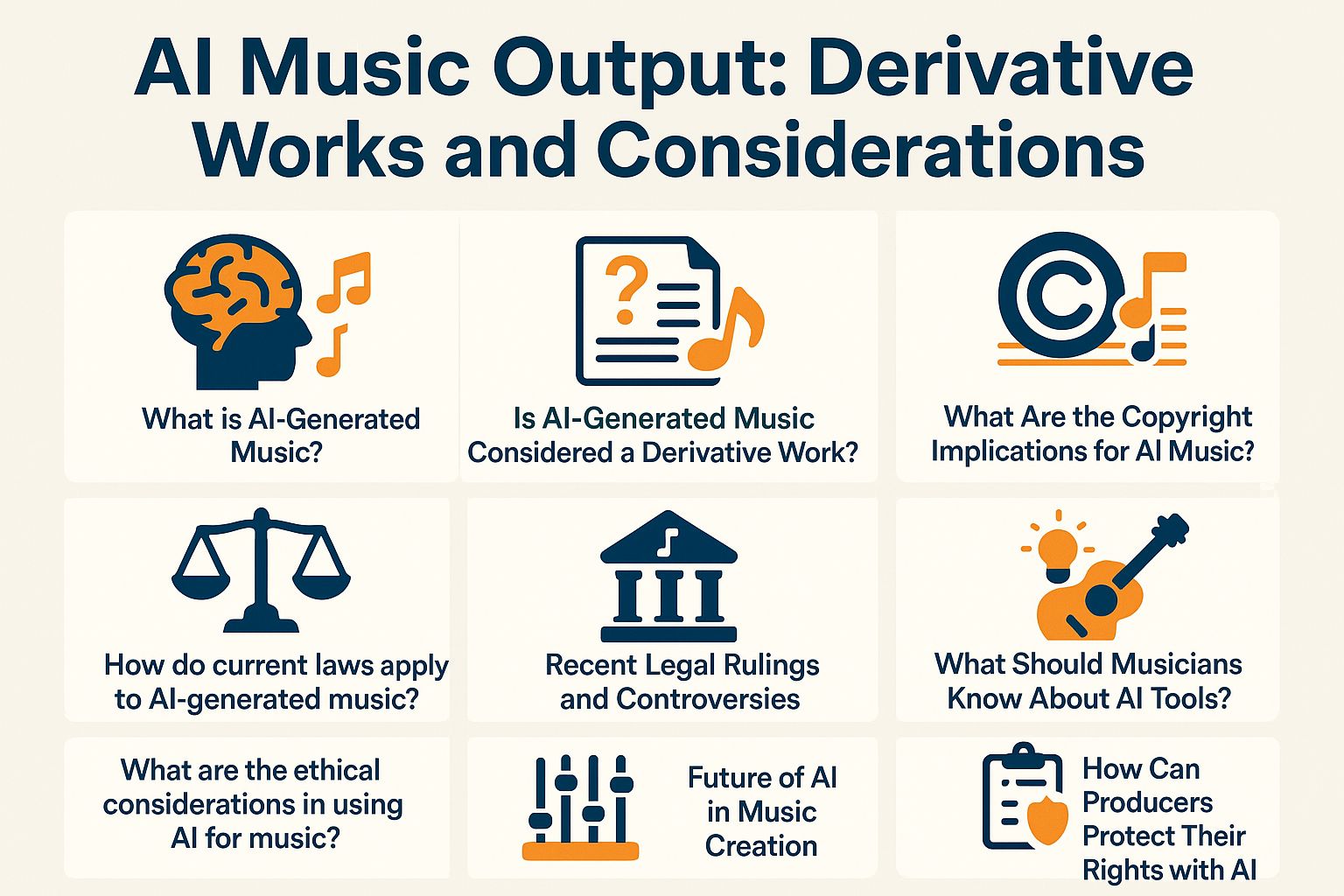
As AI technology reshapes the music industry, understanding its implications on copyright law becomes crucial for musicians and producers. With entities like Anthropic collaborating with major players such as Universal Music Publishing, Concord Music Group, and ABKCO, known for their association with The Rolling Stones, questions arise about whether AI-generated music constitutes a derivative work. This article unpacks the legal considerations, ownership rights, and recent controversies, equipping creators with essential insights to navigate the evolving landscape of AI in music.
Key Takeaways:AI-generated music is composed using artificial intelligence algorithms, including songs and soundscapes.Whether AI-generated music is a derivative work depends on legal definitions and human input.Musicians and producers must be aware of ownership rights and copyright laws when using AI tools, while considering ethical considerations and best practices for using AI in music production.
Understanding AI-Generated Music
AI-generated music encompasses compositions created through the use of artificial intelligence algorithms. These algorithms can generate original songs or replicate existing styles and genres, thereby transforming the processes of music creation and consumption in contemporary society.
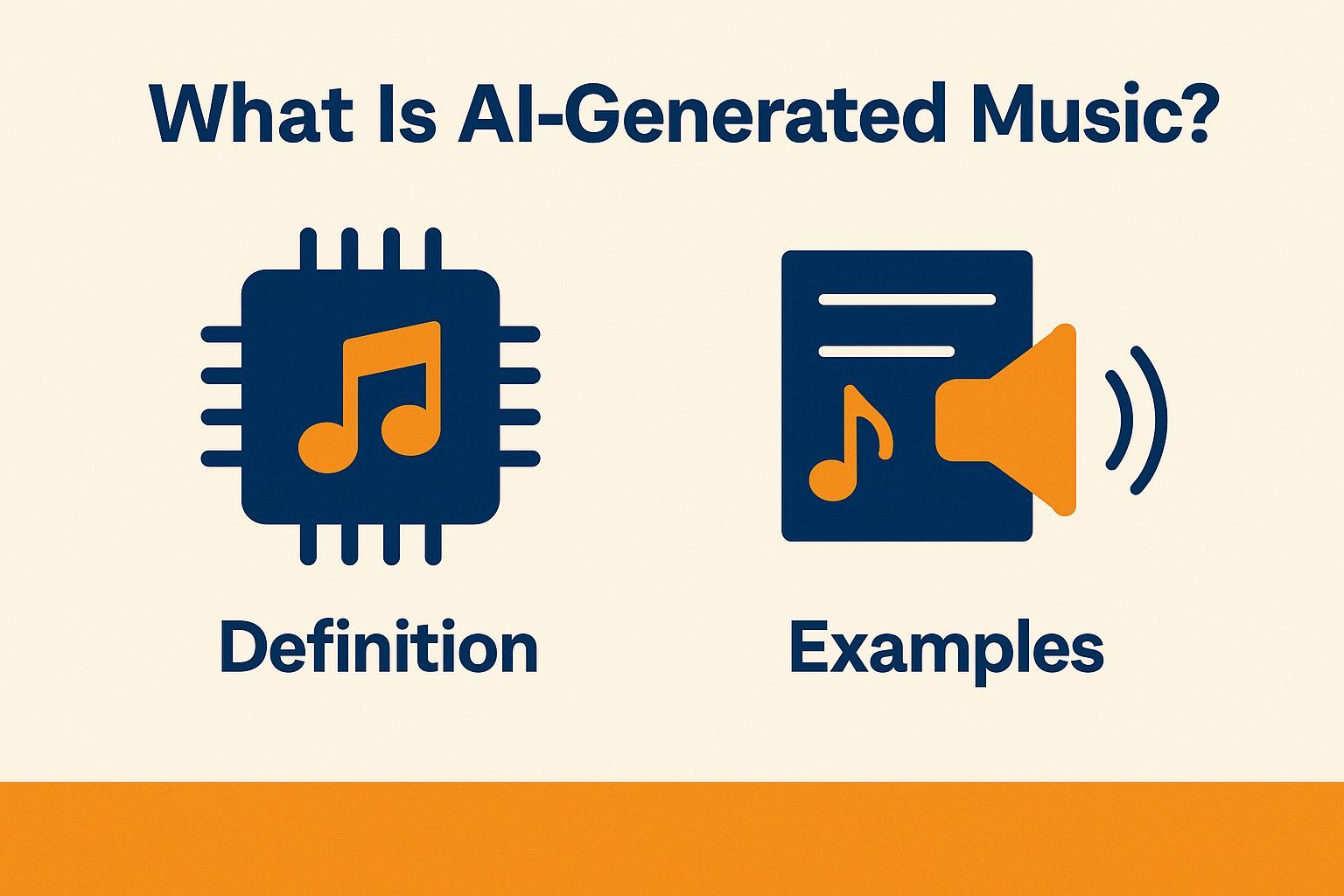
Definition and Key Examples
AI-generated music encompasses a broad spectrum of outputs, ranging from fully automated compositions to collaborative efforts that involve human musicians working alongside AI tools.
Notable projects in the realm of AI-generated music illustrate this diversity effectively. For example, OpenAI’s MuseNet is capable of composing in various genres, seamlessly blending classical and contemporary styles. Similarly, Google’s Magenta focuses on creating original melodies, providing users the opportunity to explore new sounds.
Tools such as Ghostwriter enable artists to merge their unique styles with AI assistance, resulting in the production of distinctive tracks.
Furthermore, Claude replicates sounds of artists and allows users to customize outputs, making music creation more accessible and engaging than ever before.
Is AI-Generated Music Considered a Derivative Work?
Determining whether AI-generated music constitutes a derivative work relies on specific legal definitions and the degree of human involvement in the creation process.
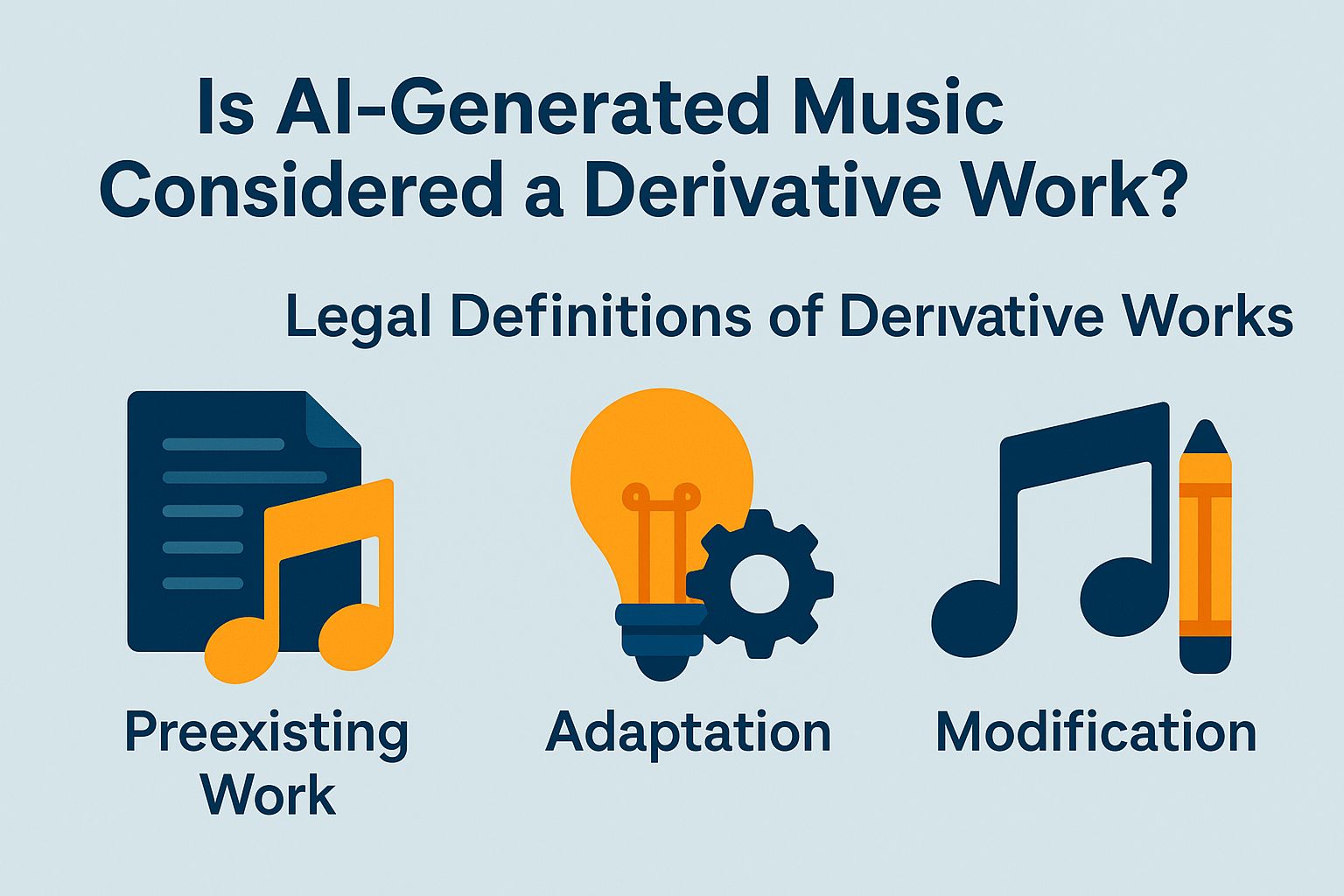
Legal Definitions of Derivative Works
A derivative work is a new creation based on a pre-existing work. The specifics can vary by jurisdiction. For example, the German Copyright Act stipulates that any transformation or adaptation of a work requires the consent of the original creator.
Similarly, under the EU Directive on copyright, a comparable rule applies, emphasizing that rights holders maintain authority over derivative works.
This has significant implications for AI-generated music, as creators must navigate potential copyright issues if their compositions incorporate elements from existing songs. Therefore, artists should consider obtaining licenses or using royalty-free samples to mitigate legal complications.
Copyright Implications of AI Music
The copyright implications of AI-generated music present substantial questions surrounding ownership rights and the protection of intellectual property produced through AI technologies.
Ownership Rights and Copyright Laws
Ownership rights for AI-generated music are ambiguous. They are often influenced by the entity responsible for developing the AI and the nature of its training data. For instance, Universal Music Publishing has actively sought clarity regarding the copyright status of AI outputs, emphasizing that rights should remain with the creators, even if a model is trained on their repertoire.
In contrast, Concord Music Group asserts that models utilizing broad datasets without specific song inputs may not infringe on copyright. This debate highlights the need to understand copyright laws, as using proprietary datasets for training could result in legal challenges, particularly if the generated output closely resembles protected works.
Bridging Question: How Do Current Laws Apply to AI Music?
Current laws evolve with AI-generated music, creating both opportunities and challenges for creators. A significant concern in legal discussions revolves around whether existing copyright frameworks can adequately protect the rights of human creators when AI tools are involved in music production.
For example, the proposed AI Act seeks to establish guidelines for authorship and ownership in AI-generated works. In the absence of such regulations, artists may find themselves navigating a gray area regarding royalties and licensing.
It is essential for music creators to actively advocate for clearer definitions and protections to ensure they receive fair compensation and recognition for their contributions as technology advances.
Recent Legal Rulings in AI Music
Recent legal rulings have underscored the contentious nature of AI-generated music and its implications for copyright law, prompting significant debate among industry stakeholders.
Case Studies on AI Music
Case studies on AI-generated music offer insights into copyright law in real-world scenarios.
One notable case involved a music streaming platform that employed an AI system to generate songs. The court ruled that the outputs produced by the AI could be copyrighted, underscoring the significance of sale and distribution in copyright claims.
Another case, where a composer utilized AI to aid in song creation, highlighted the critical role of human creativity in asserting copyright. These outcomes suggest that future judicial decisions may increasingly recognize AI-assisted works while reinforcing the necessity of human input, thereby balancing innovation with legal protections.
What Musicians Should Know About AI
Musicians and producers should learn best practices for using AI tools in music production to effectively navigate the intricate landscape of copyright and ownership.
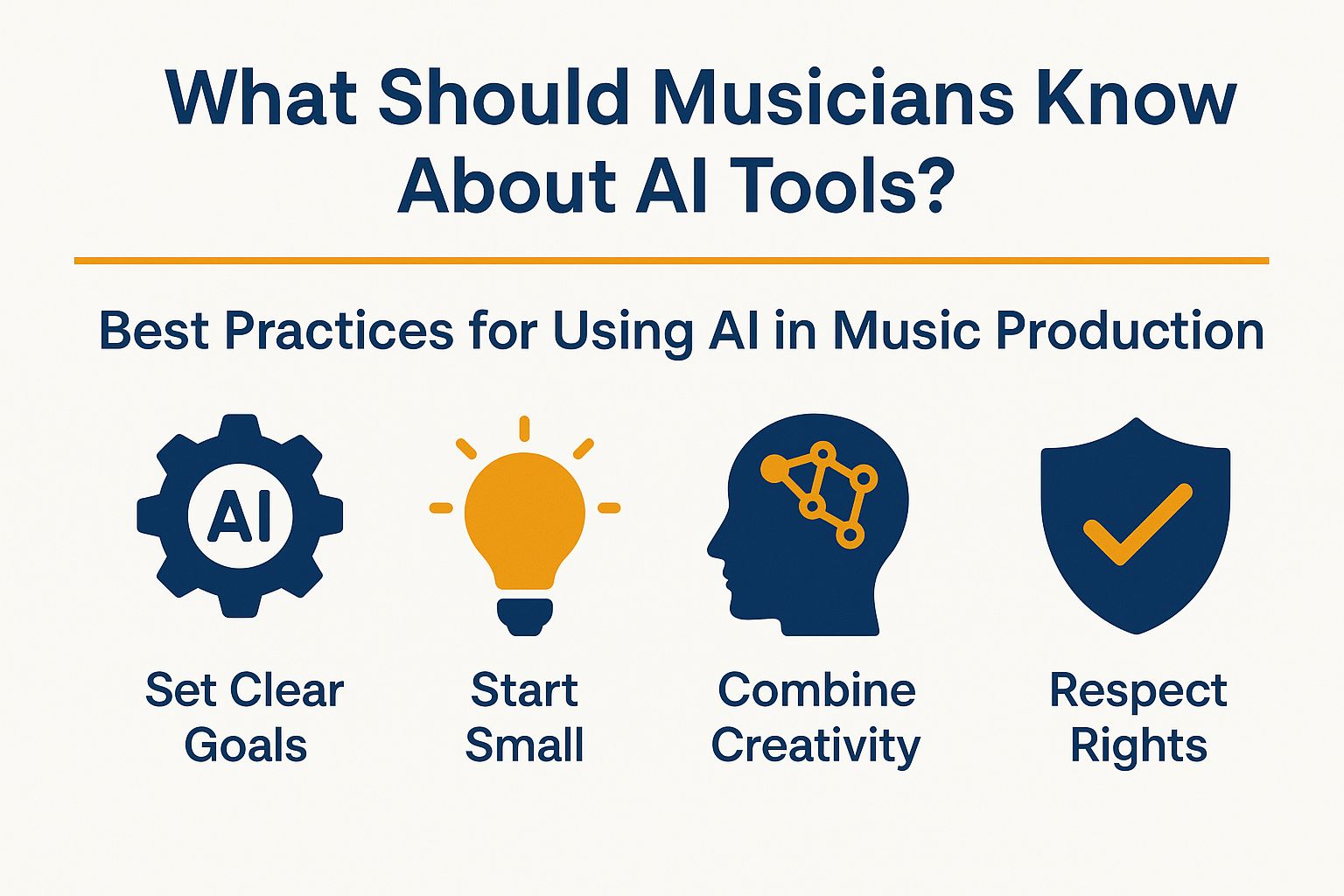
Best Practices for Using AI in Music Production
Musicians should follow these best practices to integrate AI tools effectively:
- Always credit the AI tools utilized to ensure transparency with audiences and collaborators.
- Familiarize themselves with the licensing agreements associated with the outputs generated, as these can vary significantly.
- Engage in regular consultations with legal experts regarding copyright issues to safeguard their creations.
- Maintain detailed records of AI-generated works for future reference.
- While experimenting with AI, it is essential to retain personal artistic input to ensure that the unique voice of the musician remains evident.
Bridging Question: What Are the Ethical Considerations in AI Music?
The integration of AI in music creation introduces ethical considerations. These include authorship, originality, and the role of human creativity. As artists and technologists delve into AI’s capabilities, it becomes imperative to assess the implications for human artistry.
For instance, tools like OpenAI’s MuseNet can generate original music, yet this development may obscure the lines of ownership.
Artists may utilize such tools to enhance their work. However, this raises concerns about the potential devaluation of traditional songwriting.
Maintaining a balance in this evolving field requires transparent practices. This includes proper attribution of AI contributions and the use of diverse training data to honor the artistic community.
AI’s Future in Music Creation
The future of AI in music creation is poised to significantly impact the industry, with emerging trends suggesting a rise in collaborative efforts between human musicians and AI systems.
Trends and Predictions
Current trends indicate a growing acceptance of AI-generated music within the industry. This leads to innovative approaches in music production and distribution. One notable trend is the emergence of generative music applications, such as AIVA and OpenAI’s MuseNet, which enable users to compose original scores with remarkable ease.
Additionally, AI-assisted songwriting tools like Amper Music provide musicians with unique inspiration and collaborative opportunities. Adaptive music experiences, especially in gaming and virtual reality, are transforming how audiences engage with sound, offering personalized soundscapes.
With the global AI music market projected to reach $1.3 billion by 2025, traditional roles within the industry are expected to evolve, as musicians increasingly view AI as creative partners rather than competitors.
How Can Producers Protect Their Rights with AI Music?
Producers must adopt strategies to safeguard their rights and avoid potential infringement lawsuits. This will help them navigate the evolving legal landscape effectively.
Strategies for Copyright Registration
Effective copyright registration strategies are essential for producers to secure their ownership rights over AI-generated music. To register copyright for AI-generated works, producers should follow these steps:
- During the training phase, ensure all audio data is prepared correctly for submission.
- First, gather the necessary documentation, including a completed application form, a copy of the work, and any relevant database entries.
- Next, visit the U.S. Copyright Office website to file online, which is a more expedient option, typically taking 3-5 months for processing.
- It is advisable to avoid common pitfalls by double-checking the application for errors and ensuring that the AI tool used provides clear authorship attribution.
- Lastly, keeping copies of all communications and submissions is crucial, as this can assist in resolving any potential disputes in the future.
Bridging Question: What resources are available for understanding AI music copyright?
Numerous resources assist musicians and producers in navigating copyright complexities. This includes potential infringement lawsuits related to AI-generated music.
Key resources include the official website of the U.S. Copyright Office, which offers comprehensive guides on copyright laws specific to music. Additionally, platforms such as Coursera and Udemy host educational webinars focused on AI and copyright issues, featuring discussions led by industry experts.
Industry workshops, like those organized by Music Creators North America, provide valuable networking opportunities with experienced professionals. Engaging with these resources is essential, as a thorough understanding of copyright implications can help safeguard one’s work against potential legal challenges.
Technology and Music Law Intersection
Navigating the intersection of technology and music law requires a thorough understanding of how AI impacts copyright. It also involves understanding the legal frameworks that govern these issues.
Exploring the Evolving Landscape of Music Copyright
The landscape of music copyright is evolving in response to technological advancements, particularly the rise of AI-generated content.
Recent changes include guidance from the U.S. Copyright Office regarding AI-generated works, which stipulates that, to qualify for copyright, a work must contain some degree of human authorship.
This requirement has sparked debate about protecting artists’ rights. It raises questions about the role of rights holders while fostering innovation.
Industry stakeholders argue that rigid copyright laws could stifle creativity. This has prompted calls for legislative reform to accommodate AI technology. Various platforms are actively experimenting with new licensing models to address this shift, ensuring that artists receive fair compensation for music that may incorporate AI-generated elements.
Frequently Asked Questions
What is AI Music Output?
AI music output refers to music that is created or composed using artificial intelligence algorithms and technology. Unlike traditional music which is typically composed by human musicians, AI music is created by computers and algorithms.
Is AI Music Derivative or Original?
The answer to this question is currently debatable and depends on the specific circumstances and jurisdiction. Some argue that AI-generated music should be considered a derivative work, while others argue that it is an original work created by the AI and therefore not subject to copyright protection.
Legal Considerations for AI Music Tools
Musicians and producers should be aware of potential copyright infringement issues when using AI music tools. They should also consider the terms of use and ownership rights of the AI tool they are using, as well as any potential licensing agreements or royalties that may be required.
Who Owns Rights to AI Music?
There is currently no clear answer to this question. It could be argued that the creator of the AI algorithm owns the rights, while others argue that it should be the user who inputs the data and parameters into the AI tool. As AI technology continues to evolve, this issue will likely be addressed in future legal rulings.
Recent Controversies in AI Music?
Yes, there have been several notable cases in recent years involving AI-generated music and copyright law. One well-known example is the dispute between the band Toto and a company that used AI to create a sound-alike version of their hit song “Africa”. The case was eventually settled out of court.
Tips for Musicians Using AI Tools
It is important to be aware of the potential legal implications and ownership rights when using AI tools to create music. It is also important to carefully read and understand the terms of use for any AI tool being used, and to consider obtaining legal advice if necessary. Additionally, being transparent about the use of AI in music creation may help avoid any future legal issues.
Leave a Reply